 Fast delivery
 Training and trial
 Flexible payment terms
 Warranty
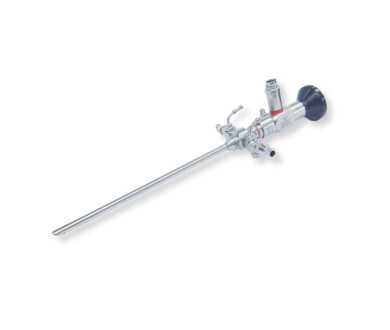
Rigid endoscopy is the foundation of minimally invasive diagnostics and surgery. It allows the physician to obtain detailed visualization of anatomical structures and perform procedures with minimal trauma to the patient.
Our medical equipment catalog features a wide range of rigid endoscopes and instruments for ENT, urology, gynecology, laparoscopy, neurosurgery, proctology, orthopedics, and arthroscopy. These endoscopes offer high-quality optics, are resistant to repeated autoclaving and mechanical stress, making them ideal for complex surgical procedures.
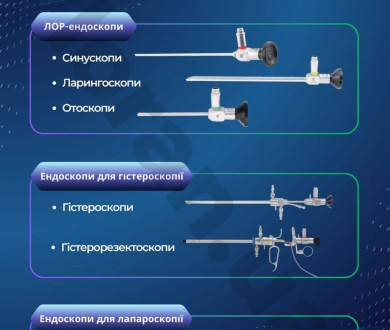
ENT Endoscopes
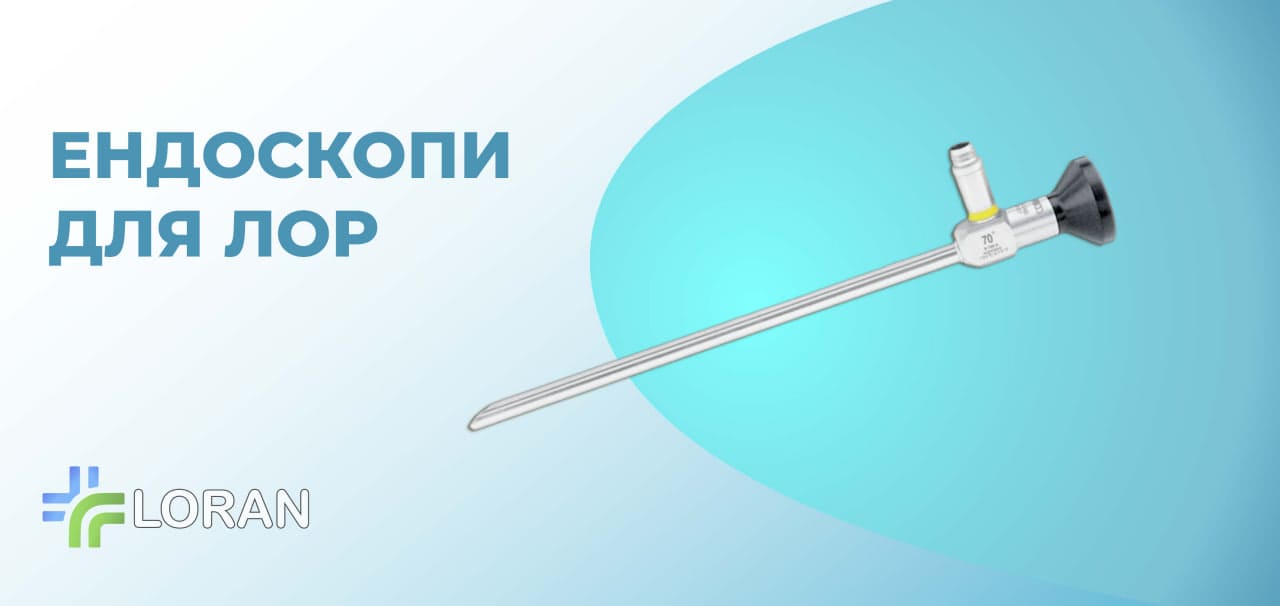
In otolaryngology, rigid endoscopes allow precise diagnosis and treatment in hard-to-reach areas.
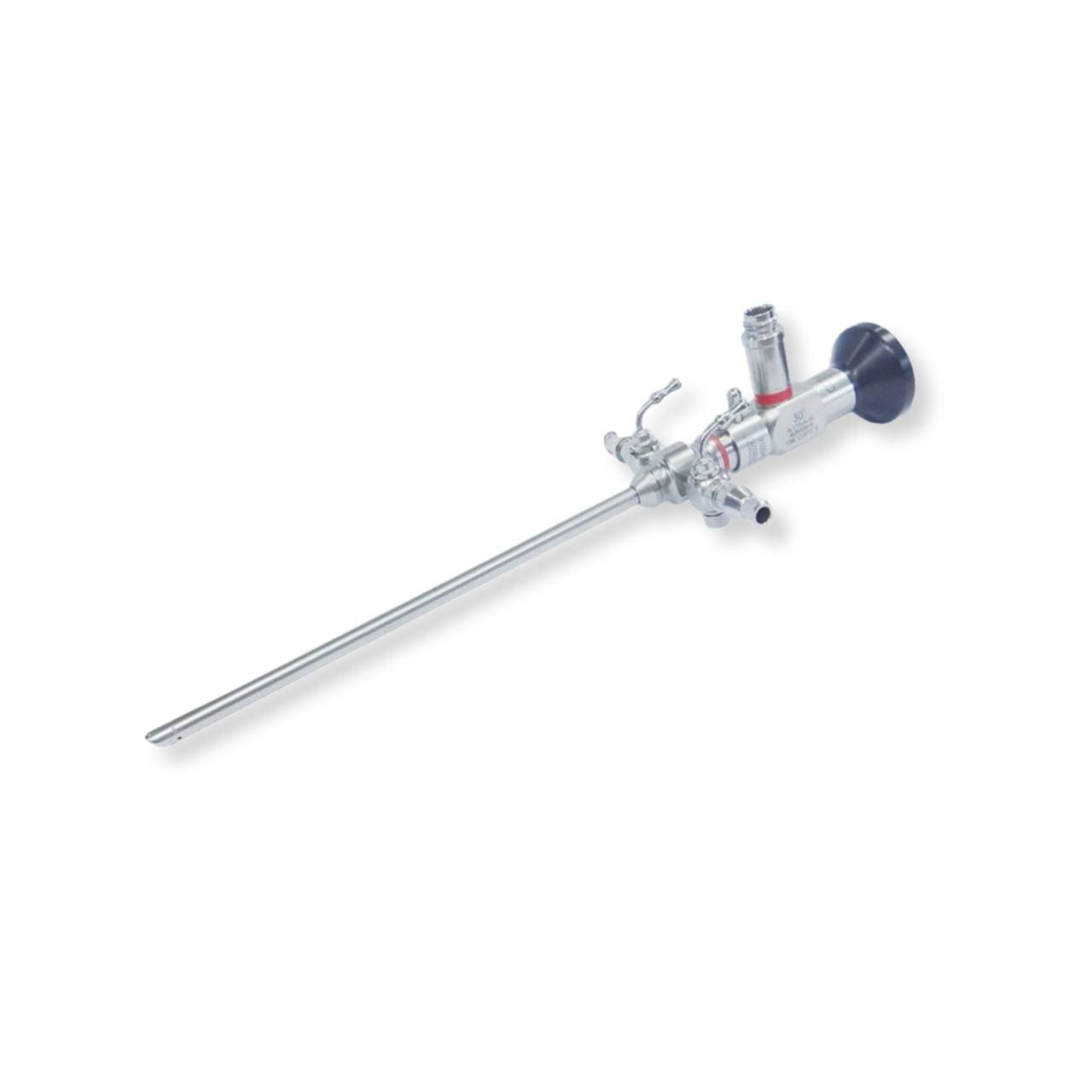
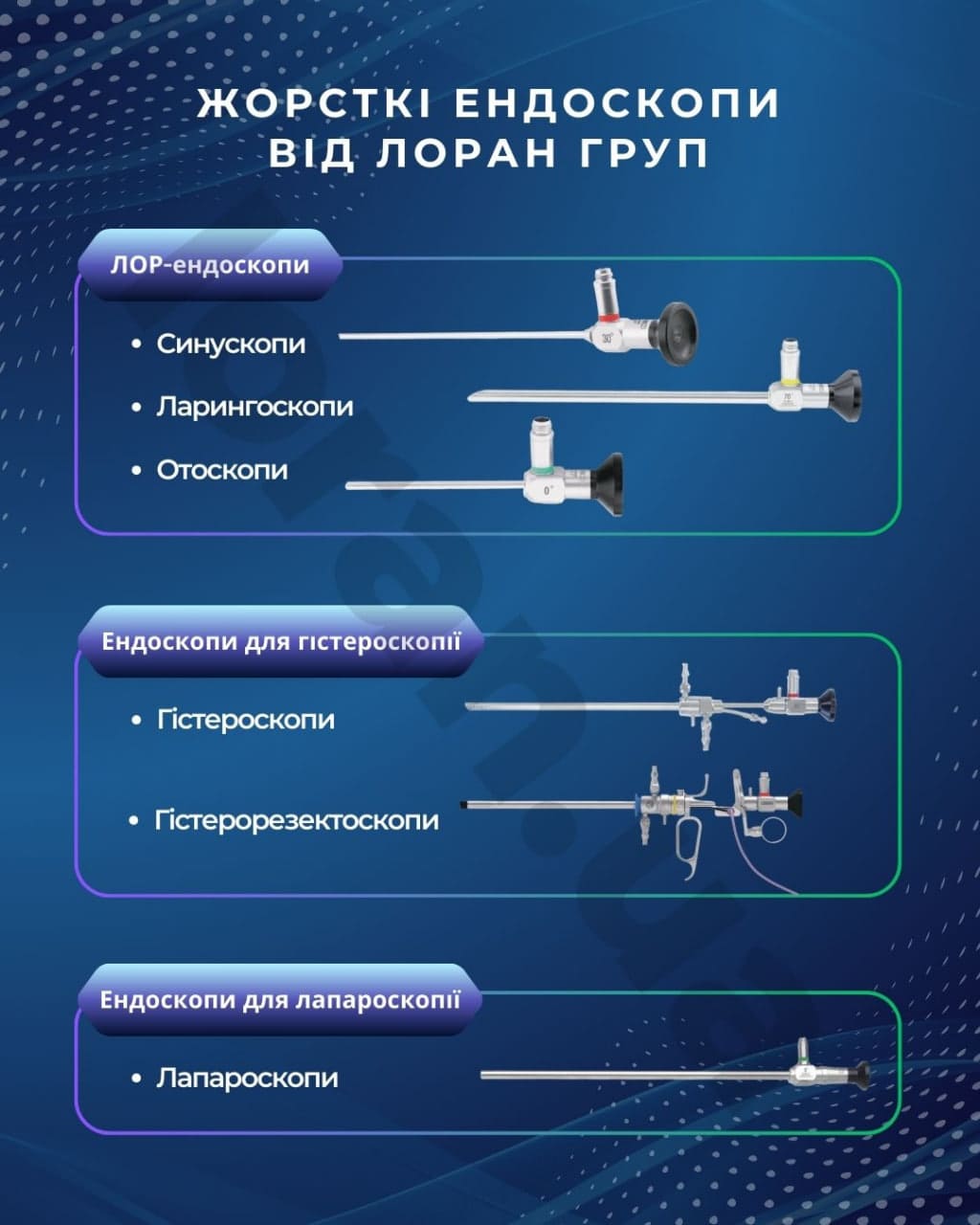
• Sinuscopes are used for examining and surgically treating pathologies of the paranasal sinuses. They are available in various diameters and at angles of 30° and 45°, allowing the physician to work delicately even in narrow anatomical spaces.
• Laryngoscopes are used for examining the larynx, detecting tumors, foreign bodies, and other pathologies. Viewing angles of 70° and 90° enable optimal visualization of different parts of the larynx and vocal cords.
• Otoscopy instruments are indispensable for ear diagnostics, providing clear visualization of the eardrum and external auditory canal. Available viewing angles of 0° allow examination of fine anatomical details.
We offer a full range of ENT instruments: bite forceps, curettes, trocars, trocar cannulas, rigid biopsy forceps 0°, mucosal scissors, forceps (straight, biopsy, angled at 30°, 45°, 90°), forceps with suction tube, cutting forceps, maxillary sinus forceps, rhinosurgery forceps, forceps for maxillary sinuses, nasal concha scissors, Rongeur forceps, mucosal knives, suction devices, mallets and chisels for nasal bones, septum splitting instruments, throat hooks and needles, ball biopsy forceps, and many others.
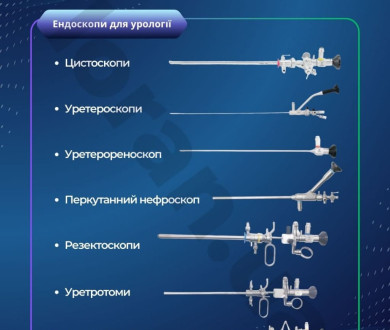
Urology Endoscopes

Urology is one of the medical fields where rigid endoscopes are used most extensively. Loran rigid urological endoscopes are distinguished by high-quality optics and compatibility with most surgical systems.
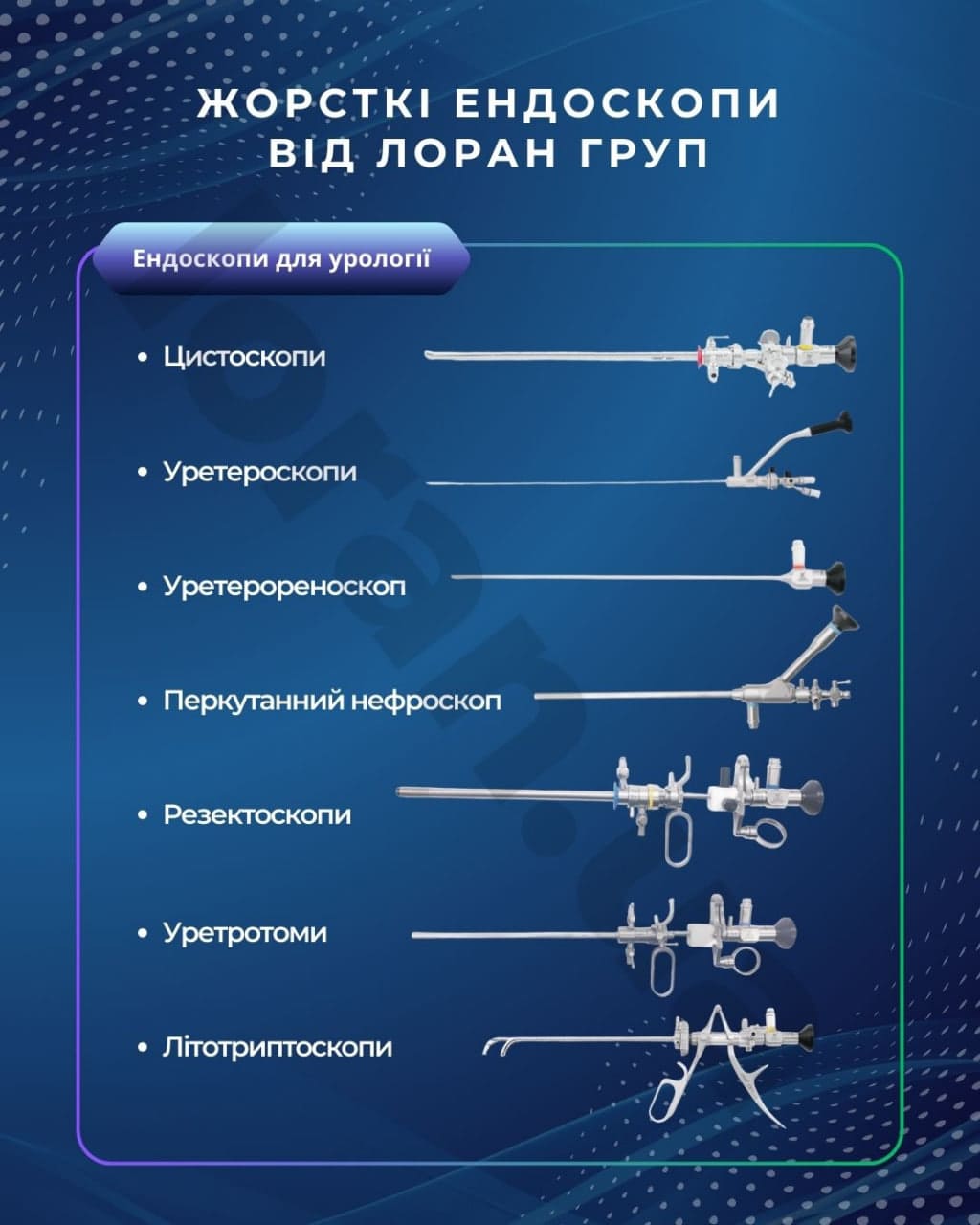
• Cystoscopes are used for diagnosis and treatment of the bladder, allowing for biopsies and removal of small growths or foreign bodies. Available cystoscopes have viewing angles of 0° and 30°.
• Ureteroscopes and ureterorenoscopes are specialized endoscopes for examining the ureters and renal pelvis, essential for stone treatment.
• Percutaneous nephroscopes provide direct access to the kidney for removing large stones; mini-nephroscopes (12°) and super mini-nephroscopes (6°) are suitable for precise manipulations.
• Resectoscopes (hybrid and bipolar) are widely used for resection of bladder tumors, providing controlled electrosurgery. Available resectoscopes have viewing angles of 12° and 30°.
• Urethrotomes and lithotriptoscopes are designed for minimally invasive treatment of strictures and stone fragmentation.
The urology instrument catalog includes: tubes and obturators, flexible and rigid biopsy forceps, roller loops, tumor removal loops, fistula instruments, light cables, suction devices, lancet knives, alligator-type forceps, stone removal forceps, grasping forceps, dilators, and many other tools for a complete urological operating set.
Hysteroscopy Endoscopes

• Rigid hysteroscopes from LORAN GROUP allow effective examination of the uterine cavity, as well as diagnosis and treatment of polyps, synechiae, and endometrial hyperplasia. Both diagnostic and surgical models are available in different diameters and viewing angles, ensuring maximum precision and delicacy during procedures.
• Hystero-resectoscopes are used for both diagnostic and surgical interventions within the uterine cavity. Thanks to specialized optics with a 12° or 30° viewing angle, the surgeon receives a clear image of the operative field and can perform highly accurate manipulations.
The 12° optics provide a more direct visual approach, while the 30° optics ensure a wider field of view and allow better control of peripheral areas, which is particularly important during polyp resections, removal of myomatous nodes, or septum dissections.
The gynecological instrument set includes flexible and rigid biopsy forceps, forceps with a flexible grasping end, foreign body forceps, grasping forceps, hook scissors, a monopolar coagulator, bipolar forceps, cutting loops, and other auxiliary tools designed for precise and safe procedures.
Trocars and auxiliary gynecological instruments provide safe access and comfortable operation for the surgeon. Rigid hysteroscopy helps avoid laparotomy and minimizes tissue trauma, which is especially important in reproductive medicine.
Laparoscopy Endoscopes

Laparoscopes with viewing angles of 0°, 30°, and 45° make it possible to thoroughly assess the condition of abdominal organs, perform accurate diagnostics, and carry out surgical interventions. 4K models are available for maximum image clarity and precision.
For operative procedures, laparoscopic instruments are used, including trocars, scissors, forceps, dissectors, needle holders, clip appliers, retractors, and other tools. These instruments ensure minimal tissue trauma, reduce recovery time, and lower the risk of complications.
Neurosurgery Endoscopes

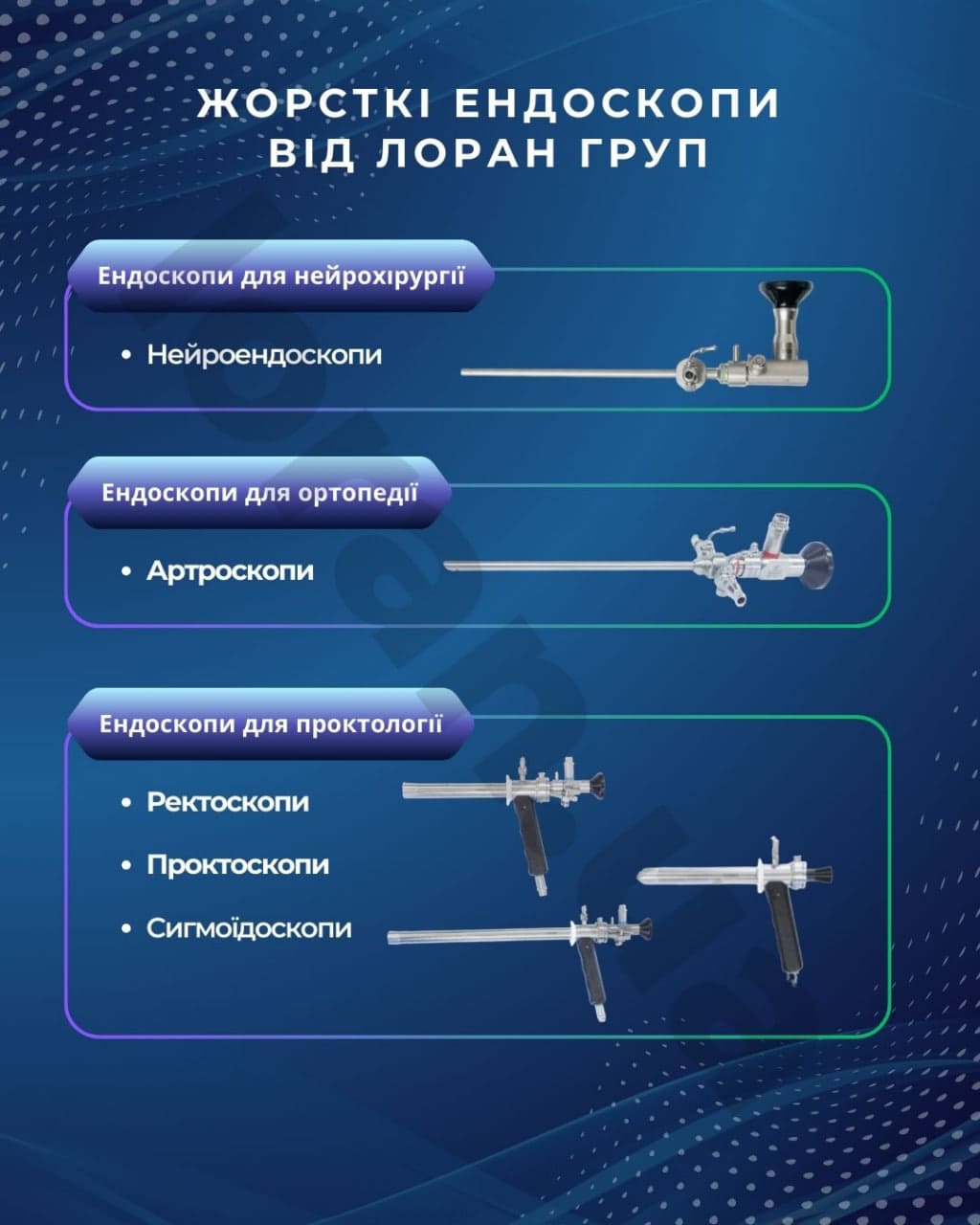
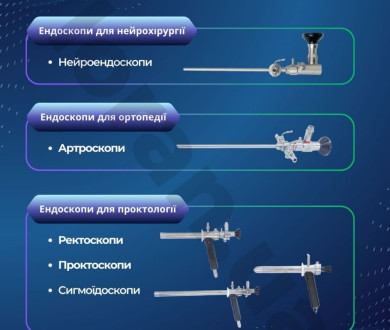
In neurosurgery, rigid endoscopes are used for minimally invasive procedures on the brain and spinal cord. They provide high-quality, magnified images of the surgical field, which is critically important when working with delicate structures. Neuroendoscopes are applied in the treatment of hydrocephalus, ventricular system tumors, cysts, as well as for endoscopic ventriculostomy. The viewing angle may vary (0°, 30°, 70°), ensuring maximum visualization of complex areas.
Specialized neurosurgical instruments include tumor grasping forceps, laminectomy forceps (for spinal operations), biopsy forceps, tissue scissors, surgical tweezers, pistol-shaped curettes, microsurgical knives, dissection tools, suction tubes, retractors for mastoid operations, dilators, cranial plates, and others.
Arthroscopy and Orthopedic Endoscopes

In orthopedics, rigid endoscopes are used for diagnosing and treating joint diseases.
Arthroscopes with angles of 0°, 30°, 70°, and 90° provide a clear view of the internal structures of the knee, shoulder, and other joints. They allow the surgeon to thoroughly assess the condition of articular cartilage, menisci, ligaments, and synovial membrane, and to perform diagnostic and therapeutic interventions with minimal trauma to the patient.
In combination with orthopedic instruments – punch forceps, curettes, scissors, trocars, “duckbill” forceps, puncture needles, tissue clamps, banana knives, suture cutters, meniscus grasping forceps, biopsy forceps, punch forceps, bone chisels, bone curettes, nerve strippers, and others – they enable both diagnostic and therapeutic procedures. Arthroscopy minimizes large incisions, shortens rehabilitation time, and increases patient safety.
Proctology Endoscopes

Rigid endoscopes and instruments for proctology are specialized equipment designed for the diagnosis and treatment of diseases of the rectum and colon. They allow the physician to conduct an accurate examination of the mucous membrane, detect pathologies, and perform minimally invasive interventions.
Rectoscopes provide a clear and stable image of the rectum, making it possible to assess the condition of tissues, identify polyps, erosions, bleeding, or other pathological changes. The use of high-quality optics ensures maximum detail and diagnostic accuracy.
Rectoscopes are divided into several types depending on their length and area of examination:
• Proctoscopes – short instruments for examining the anal canal and the initial section of the rectum. They are used for quick diagnostics and local procedures.
• Standard rectoscopes – medium-length instruments that allow for a complete examination of the rectum and detection of polyps, erosions, bleeding, and other pathologies.
• Sigmoidoscopes – the longest in this group. They provide access not only to the rectum but also to the sigmoid colon, significantly expanding diagnostic possibilities.
Proctological instruments include biopsy forceps, clamps for hemorrhoidal nodes, scissors, coagulators, and other surgical devices. They enable minimally invasive procedures to be performed quickly and safely, with minimal trauma to the patient.
Advantages of Rigid Endoscopes from LORAN GROUP
• High-quality optics ensure clear and detailed imaging, even in the most complex areas.
• A wide range of diameters and viewing angles is available – from ultra-thin models for pediatric practice to standard ones for surgery.
• Durability is guaranteed thanks to resistance to repeated autoclaving, corrosion, and mechanical stress.
• Compatibility with video systems and accessories from leading global manufacturers provides flexibility and convenience in use.
• Comprehensive service support includes warranty and post-warranty maintenance, repairs, and expert consultations from LORAN GROUP specialists.
Our catalog features a broad selection of rigid endoscopes and instruments for ENT surgery, urology, gynecology, neurosurgery, laparoscopy, and orthopedics. If you are looking for reliable endoscopes and instruments for your specialty, contact us. We will help you choose the optimal solution tailored to your needs, budget, and specific practice requirements.
