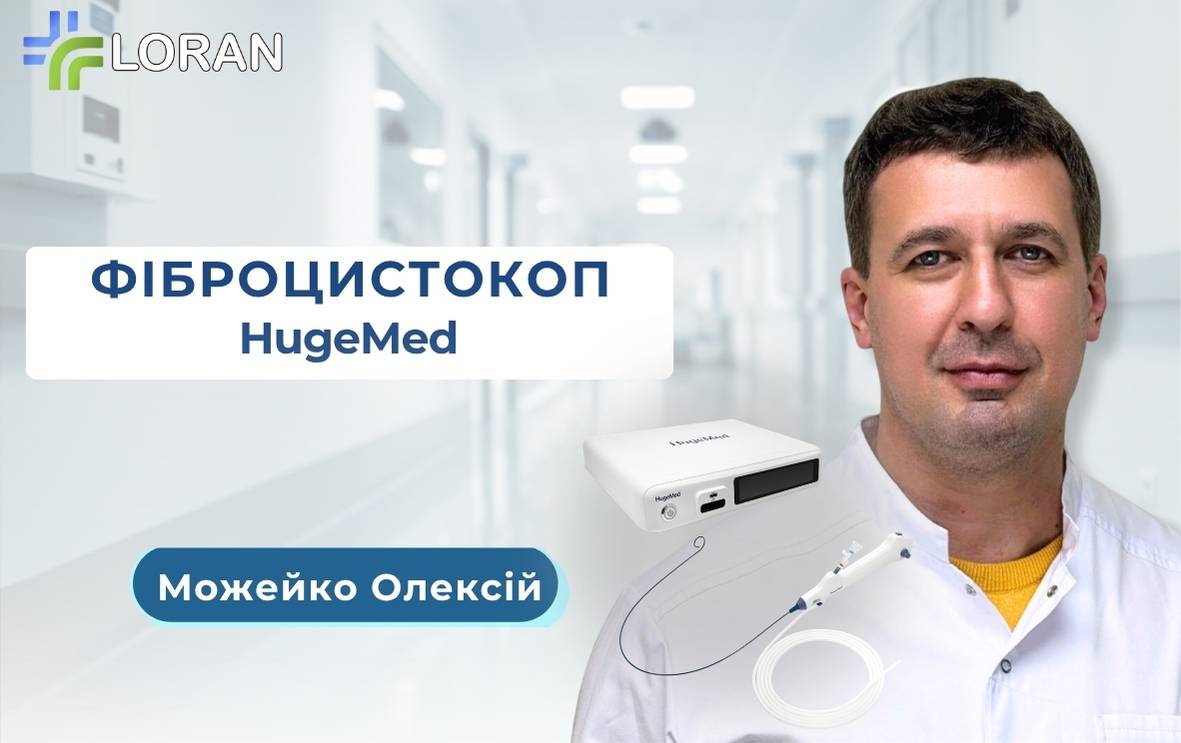
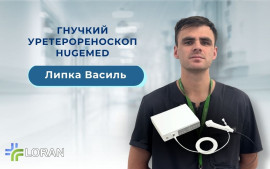
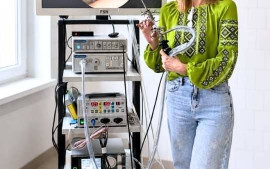
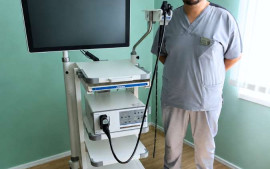
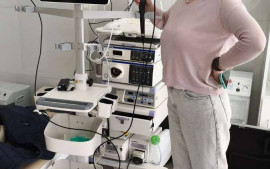
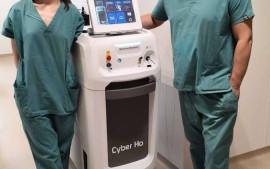
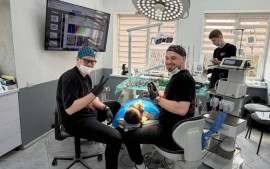
Our YouTube channel features a video titled: “Alexey Mozheyko: the use of a flexible fiber cystoscope HugeMed in military urology” in which the specialist shares his experience of using endoscopic equipment at the Military Medical Clinical Hospital of the Eastern Region.
Modern urology requires precise visualization and minimally invasive solutions for diagnosing bladder pathologies. In his practice, Alexey Mozheyko uses the flexible fiber cystoscope HugeMed as an effective tool in endourology.
Clinical experience of use
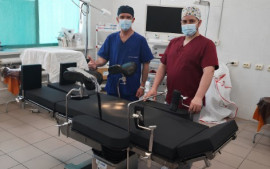
In the urology department where Alexey Mozheyko works, a flexible ureterorenoscope is used for cystoscopy, endoscopic diagnostics, and minimally invasive procedures in military personnel. Regular use makes it possible to assess its effectiveness in daily clinical practice.
According to Alexey Mozheyko, the system helps quickly obtain accurate information about the condition of the bladder and plan further treatment. During this time, dozens of examinations have been performed and interventions for small tumors and stones have been carried out.
Technical capabilities of the HugeMed system
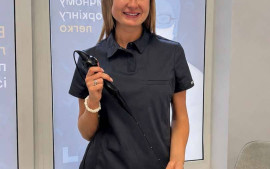
Flexible HugeMed endoscopes combine compactness, ergonomics, and stable image quality, which is essential for daily practice. Alexey Mozheyko notes their ease of use even during prolonged procedures, as well as the system’s stable performance under high workload conditions.
The microcamera transmits a clear real-time image, allowing the procedure to be monitored throughout its course. The physician also uses photo and video recording to document clinical cases and analyze results, which contributes to improved diagnostic quality.
Advantages of flexible endoscopy
The urologist notes that the flexible HugeMed fiber cystoscope provides access to areas of the bladder that are difficult to visualize, which is an advantage compared to rigid cystoscopes. This is particularly important when examining patients with complex anatomy.
The advantages of the instrument enable more accurate diagnostics and higher-quality imaging. According to Alexey Mozheyko’s experience, this provides better visualization, easier maneuverability during procedures, and allows for faster clinical decision-making in time-constrained conditions.