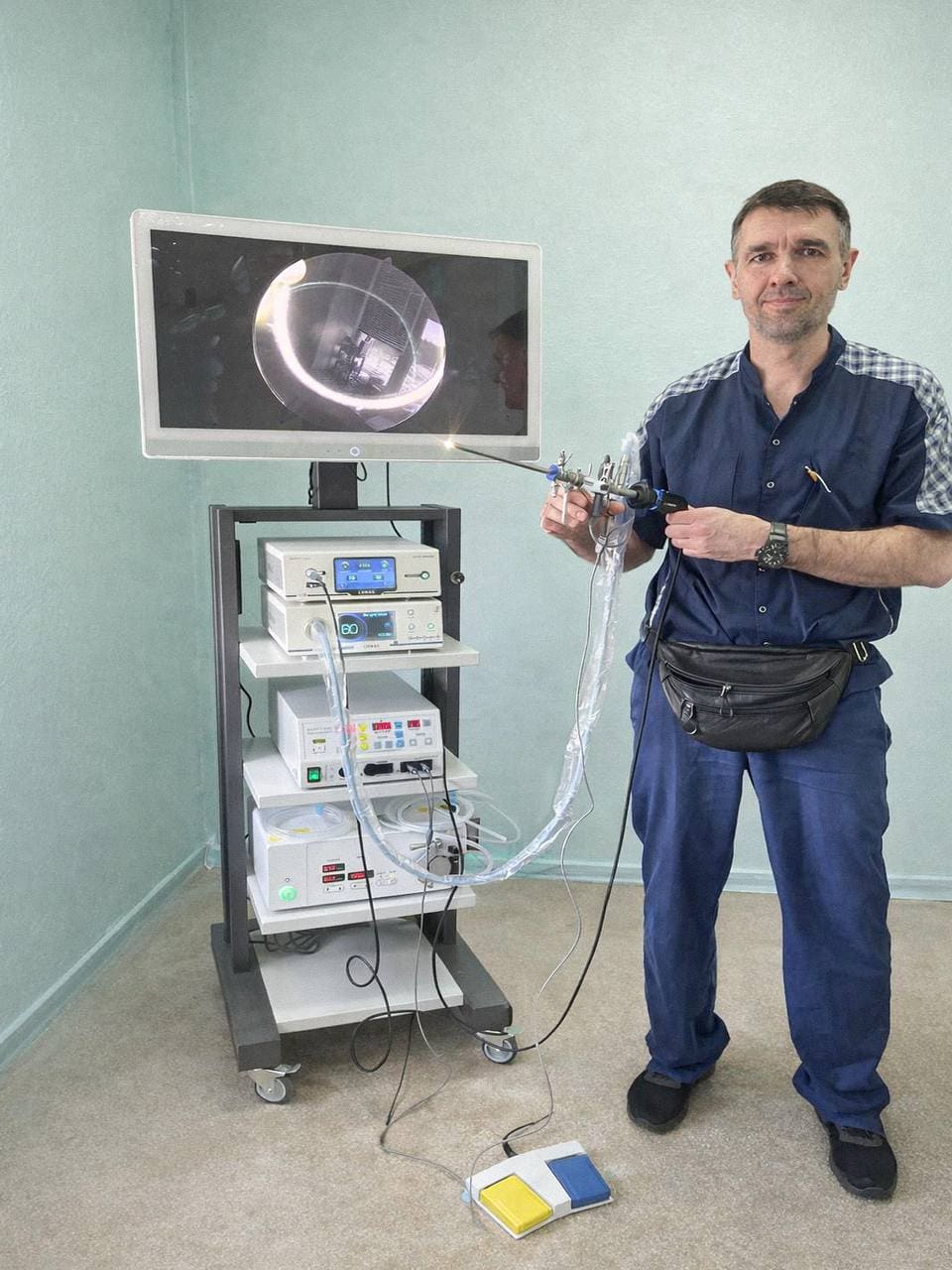
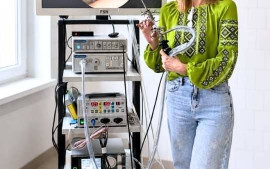
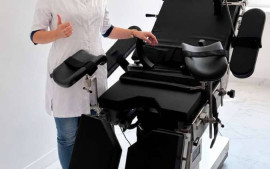
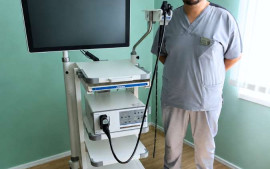
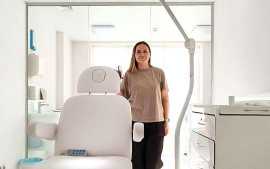
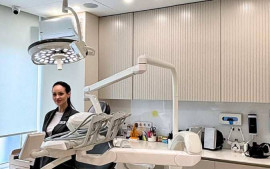
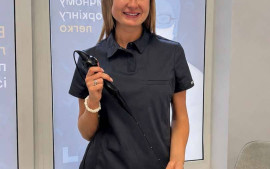
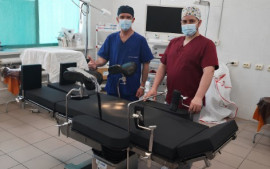
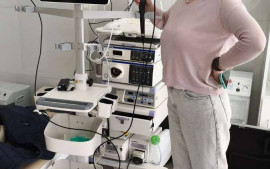
Loran Group has supplied a hysteroscopy tower to a hospital in the Odesa region, marking an important step in the development of minimally invasive gynecological care in the area.
Today, hysteroscopy is considered the "gold standard" for diagnosing and treating intrauterine pathology. According to international clinical guidelines (FIGO, ESGE, ACOG), the method allows physicians to gain direct visual access to the uterine cavity without incisions, significantly increasing diagnostic accuracy and reducing risks for patients.
The use of a hysteroscopy tower in clinical practice opens up broad opportunities for gynecologists, including:
• Early detection of endometrial polyps, submucosal fibroids, adhesions, and uterine cavity anomalies;
• Diagnosis of infertility and recurrent pregnancy loss causes;
• Postoperative monitoring and treatment of chronic endometritis;
• Performing minimally invasive therapeutic procedures without the need for open surgery.
Minimally invasive techniques based on endoscopic technologies have been proven to reduce postoperative complications, shorten hospital stays, and allow patients to return to their normal lives more quickly. For medical staff, this means more precise visualization, better control during procedures, and increased clinical treatment effectiveness.
The delivery of the hysteroscopy tower to a hospital in the Odesa region is part of Loran Group’s systematic work to implement modern endoscopic solutions in both public and private healthcare facilities in Ukraine. The main goal is not only to equip hospitals with advanced medical devices but also to create conditions for high-quality, safe, evidence-based medicine focused on the real needs of doctors and patients.
The hysteroscopy tower is part of Loran Group’s gynecological equipment range, which includes modern solutions for endoscopic diagnostics and minimally invasive surgery. This allows healthcare institutions to receive comprehensive equipment from a single supplier, in line with current clinical standards and practical needs of physicians.