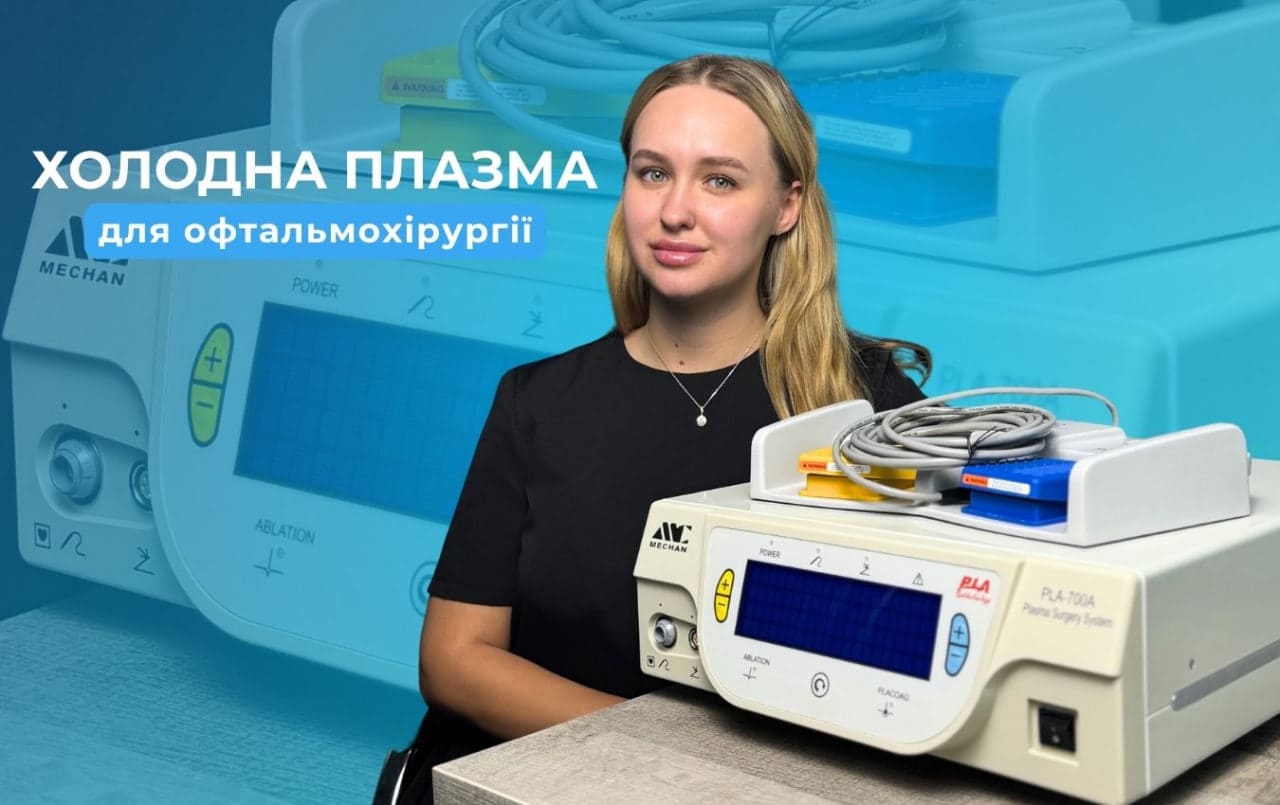
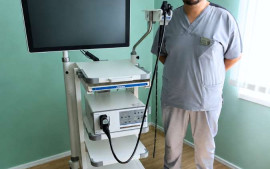
Modern ophthalmic surgery is rapidly evolving, introducing advanced technologies that ensure precision, safety, and minimal tissue trauma. One of the latest breakthroughs in this field is the PLA-700A Plasma Surgical System for Ophthalmology – a device that opens a new era in the treatment of ocular surface diseases and ophthalmic tumors.
What is Plasma Eye Surgery?
Plasma ophthalmic surgery is an innovative technique based on the use of low-temperature plasma for tissue dissection, ablation, and coagulation. Unlike traditional electrosurgery, where the effect occurs due to heat, the plasma probe works through molecular dissociation at low temperatures.
Between the electrodes of the bipolar or multipolar probe in a saline solution, a thin plasma layer (50-100 μm thick) is formed. The plasma energy (3-5 eV) breaks molecular bonds in tissues without direct current flow, preserving surrounding healthy structures and providing high precision.
Operating Principle of the PLA-700A Ophthalmic Surgical System
The PLA-700A system employs Low Temperature Plasma technology, maintaining a temperature of only 25-28°C in the operative area during resection and hemostasis. In contrast, traditional electrocautery devices may reach up to 110°C, often causing thermal damage.
Thanks to the kinetic energy of plasma, the probe creates a high-density field around the electrodes, enabling microresection of tissues without heat injury. This ensures controlled ablation depth (50-100 μm) and a clear surgical field.
Cold ophthalmic plasma possesses unique properties, becoming an indispensable tool for surgeons aiming for the highest levels of accuracy, safety, and efficiency. It is not just equipment – it represents a new approach to ophthalmic surgery that combines nanotechnology, intelligent control systems, and delicate tissue interaction.
Applications
Cold plasma technology is widely used in clinical ophthalmology for:
- treating benign and malignant ocular surface tumors,
- removing pterygium, papillomas, and conjunctival lesions,
- performing corneal reconstructive surgery,
- preventing recurrence after excision of pathological formations.
It is particularly useful in cases requiring high-precision ablation without overheating, such as microsurgery of the eye or treatment of superficial lesions.
Watch our video review of the plasma ophthalmic surgical system on our YouTube channel: “Plasma System for Ophthalmic Surgery: Precision, Safety, and Control in Every Operation.”
Next-Generation Intelligent Plasma Probe PLA405
A key component of the system is the intelligent PLA405 probe, which integrates: irrigation and aspiration, resection and ablation, coagulation and hemostasis.
This multifunctionality simplifies surgical workflow, reduces operation time, and increases efficiency.
The probe features automatic plasma intensity display at the tip, ensuring real-time monitoring and maximum patient safety.
Clinical Advantages of Plasma Ophthalmic Surgery
Low-temperature plasma technology offers surgeons new possibilities in precision, safety, and predictability:
- Maximum safety and controlled ablation depth – only 50-100 μm with micron-level precision.
- Reduced recurrence risk – plasma inactivates even microscopic residual pathological tissue.
- Minimal damage to healthy cells – ocular structures remain intact.
- Speed and efficiency – precise ablation, effective bleeding control, and a clean operative field.
- No facial nerve irritation – no eyelid twitching or patient discomfort during surgery.
As a result, the ophthalmic surgeon gains maximum control, while the patient experiences minimal trauma and faster recovery.
If you are looking for innovative ophthalmic surgical equipment that ensures safe and effective treatment, contact our specialists. We will help you select the optimal plasma system configuration, train your staff, and provide comprehensive service support.